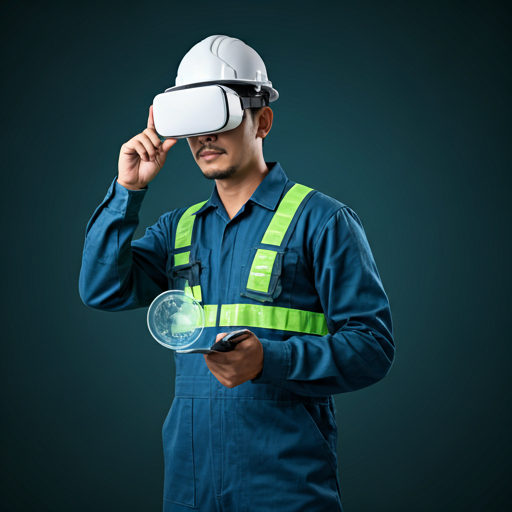
Industrial safety is no longer about reactive compliance—it’s shifting toward predictive, data-driven prevention. AI and IoT are at the center of this change, turning factories into environments that can sense risk, analyze it instantly, and act before accidents happen.
1. Real-Time Monitoring Is Replacing Manual Checks
Traditional safety inspections are periodic and prone to human error. IoT devices—wearables, smart helmets, connected machinery—stream continuous data.
- Worker vitals (heart rate, fatigue levels)
- Environmental conditions (gas leaks, temperature spikes)
- Equipment status (vibration, wear, anomalies)
This removes blind spots. Instead of discovering issues after damage, systems flag risks instantly.
2. Predictive Safety Beats Reactive Safety
AI models process historical + real-time data to predict failures and hazards.
Example:
- A machine showing abnormal vibration patterns → flagged before breakdown
- Worker fatigue trends → triggers alerts before accidents occur
This cuts downtime and reduces injury rates. The trade-off: requires clean data and upfront system setup. Garbage data = useless predictions.
3. Smart PPE Changes Worker Behavior
Personal Protective Equipment is evolving:
- Helmets with AR overlays showing hazard zones
- Wearables that alert workers when entering unsafe areas
- Sensors detecting improper posture or unsafe movements
This shifts safety from “rules” to real-time guidance. Workers don’t need to remember everything—the system tells them.
4. Automation Reduces Human Exposure
AI-driven robotics handle high-risk tasks:
- Hazardous inspections
- Chemical handling
- Confined space operations
Less human exposure = fewer accidents. But this also means workforce reskilling is unavoidable.
5. Centralized Safety Intelligence
IoT platforms unify data into dashboards:
- Live alerts
- Risk heatmaps
- Compliance tracking
Management gets a clear, actionable view instead of scattered reports. The downside: cybersecurity becomes critical. A compromised system can shut down operations or expose sensitive data.
6. Compliance Becomes Easier (and Stricter)
Automated logging ensures:
- Accurate incident reports
- Audit-ready records
- Continuous compliance tracking
Regulators are starting to expect this level of traceability. Manual logs won’t hold up long-term.
Bottom Line
AI + IoT in industrial safety is not optional anymore. It directly impacts:
- Injury reduction
- Operational efficiency
- Insurance costs
- Regulatory compliance
But it only works if implemented properly:
- Invest in reliable sensors
- Ensure data quality
- Train workers to trust and use the system
- Secure the infrastructure
If done right, safety stops being a cost center and becomes a competitive advantage.