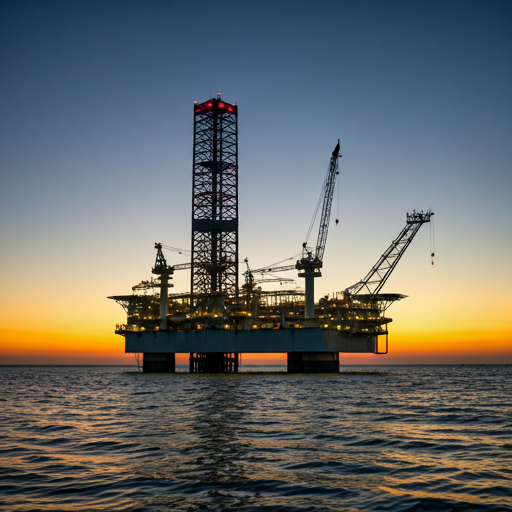
Top Skills for Offshore Work: What Employers Look For

Offshore jobs pay well for a reason—harsh conditions, long rotations, and zero tolerance for mistakes. Employers don’t care about generic qualifications. They look for people who can perform under pressure, follow safety protocols, and stay reliable in isolated environments.

1. Safety First — Non-Negotiable

If you’re weak on safety, you’re out.

  • Knowledge of PPE, hazard identification, emergency response
  • Certifications like BOSIET, HUET, H2S
  • Strict adherence to procedures

No shortcuts. Offshore environments are high-risk, and one mistake can shut down operations.

2. Technical Competence

You need a solid, job-specific skillset:

  • Mechanical, electrical, or instrumentation knowledge
  • Equipment handling and maintenance
  • Troubleshooting under time pressure

Employers prefer hands-on ability over theory. If you can’t fix things, you’re not useful offshore.

3. Physical and Mental Endurance

Conditions are tough:

  • 12-hour shifts for weeks
  • Harsh weather and confined spaces
  • Isolation from family

If you burn out quickly, you won’t last. Stamina matters as much as skill.

4. Teamwork and Communication

You work in tight crews where coordination is critical.

  • Clear communication during operations
  • Ability to follow hierarchy and instructions
  • No ego—team performance comes first

Poor communication leads directly to accidents.

5. Problem-Solving Under Pressure

Things go wrong offshore—often.

  • Equipment failures
  • Weather disruptions
  • Operational delays

You’re expected to respond fast and logically, not panic. Decision-making speed matters.

6. Adaptability

Every offshore project is different:

  • New rigs, new systems, new teams
  • Changing schedules and conditions

Rigid workers struggle. Employers want people who adjust quickly without constant guidance.

7. Discipline and Work Ethic

There’s no room for casual behavior offshore.

  • Punctuality
  • Following routines
  • Consistency in performance

If you’re unreliable, you won’t be rehired.


What Actually Gets You Hired

  • Relevant certifications (mandatory, not optional)
  • Practical experience (internships, training rigs, workshops)
  • Clean safety record
  • Strong references from previous supervisors

Degrees help, but they won’t carry you alone.


Bottom Line

Offshore work isn’t for everyone. It demands skill, discipline, and resilience. If you’re serious about getting in:

  • Get certified
  • Build hands-on experience
  • Focus on safety and reliability

Do that, and you become employable. Skip it, and you won’t even get shortlisted.

The Future of Industrial Safety: AI and IoT Integration

Industrial safety is no longer about reactive compliance—it’s shifting toward predictive, data-driven prevention. AI and IoT are at the center of this change, turning factories into environments that can sense risk, analyze it instantly, and act before accidents happen.

1. Real-Time Monitoring Is Replacing Manual Checks

Traditional safety inspections are periodic and prone to human error. IoT devices—wearables, smart helmets, connected machinery—stream continuous data.

  • Worker vitals (heart rate, fatigue levels)
  • Environmental conditions (gas leaks, temperature spikes)
  • Equipment status (vibration, wear, anomalies)

This removes blind spots. Instead of discovering issues after damage, systems flag risks instantly.

2. Predictive Safety Beats Reactive Safety

AI models process historical + real-time data to predict failures and hazards.
Example:

  • A machine showing abnormal vibration patterns → flagged before breakdown
  • Worker fatigue trends → triggers alerts before accidents occur

This cuts downtime and reduces injury rates. The trade-off: requires clean data and upfront system setup. Garbage data = useless predictions.

3. Smart PPE Changes Worker Behavior

Personal Protective Equipment is evolving:

  • Helmets with AR overlays showing hazard zones
  • Wearables that alert workers when entering unsafe areas
  • Sensors detecting improper posture or unsafe movements

This shifts safety from “rules” to real-time guidance. Workers don’t need to remember everything—the system tells them.

4. Automation Reduces Human Exposure

AI-driven robotics handle high-risk tasks:

  • Hazardous inspections
  • Chemical handling
  • Confined space operations

Less human exposure = fewer accidents. But this also means workforce reskilling is unavoidable.

5. Centralized Safety Intelligence

IoT platforms unify data into dashboards:

  • Live alerts
  • Risk heatmaps
  • Compliance tracking

Management gets a clear, actionable view instead of scattered reports. The downside: cybersecurity becomes critical. A compromised system can shut down operations or expose sensitive data.

6. Compliance Becomes Easier (and Stricter)

Automated logging ensures:

  • Accurate incident reports
  • Audit-ready records
  • Continuous compliance tracking

Regulators are starting to expect this level of traceability. Manual logs won’t hold up long-term.


Bottom Line

AI + IoT in industrial safety is not optional anymore. It directly impacts:

  • Injury reduction
  • Operational efficiency
  • Insurance costs
  • Regulatory compliance

But it only works if implemented properly:

  • Invest in reliable sensors
  • Ensure data quality
  • Train workers to trust and use the system
  • Secure the infrastructure

If done right, safety stops being a cost center and becomes a competitive advantage.

Since 1989, AGT has been empowering candidates with world-class training and placement services in the Oil & Gas, Construction, and Logistics industries.

Contact Us

  • location_on 123 Tech Park, Industrial Area, Kochi, India
  • phone +91 98765 43210
  • email info@agtgroup.com

Quick Links

Newsletter Signup

Stay updated with our latest news and offers.

© 2026 AGT Group of Institutions. All Rights Reserved.